The 4iG Foundation has donated 220 laptops to 15 schools
The exceptionally high interest highlighted that there is a clear need for modern digital tools in Hungarian schools and an effort to renew teaching methods. More and more teachers are open to, or already skilled in, digital education, teaching programming and coding and innovative forms of talent management. Laptops not only enable skill-level device use in lessons but also directly support the achievement of various pedagogical goals: they contribute to increasing the digital resilience of primary and secondary school students, including exceptionally talented students, disadvantaged students or students with special educational needs, and to the development of their critical thinking in addition to their digital competences. The applications focused on three main areas, in accordance with the foundation's call for applications:
- developing the use of digital tools in the classroom;
- launching programming and coding courses;
- supporting community and student programmes (e.g. student newspapers or student council initiatives).
The submitted projects range from remedial approaches to the development of disadvantaged students or students with special educational needs to the integration of artificial intelligence in education, reverse classroom models or 3D modelling in vocational training. Many schools are launching digital media courses, student newspapers or projects to help the student council function with the intention of building community. Among those receiving support are courses that previously achieved competitive results but struggled with a lack of resources, and now have the opportunity to renew themselves. The common characteristic of the winning applications is preparedness, pedagogical awareness and openness to digital opportunities. Among other things, the 4iG Foundation supports with laptops the implementation of the digital eco-challenge project and a flipped classroom concept as well as successful participation in the World Programming Championship.
Based on the objective methodology-focused evaluation criteria specified in the announcement, the jury selected works that met the pedagogical goals, digital innovation, creativity, long-term use and the widest possible reach of students.
In addition to the tools, the implementation of the development is also supported by methodology: as part of the programme, teachers from the winning institutions will participate in a 30-hour, practice-oriented e-learning course on the use of ICT tools, and they can immediately apply the obtained knowledge in their everyday work. Laptops that come from office use and are audited by experts thus become new, reliable tools for education.
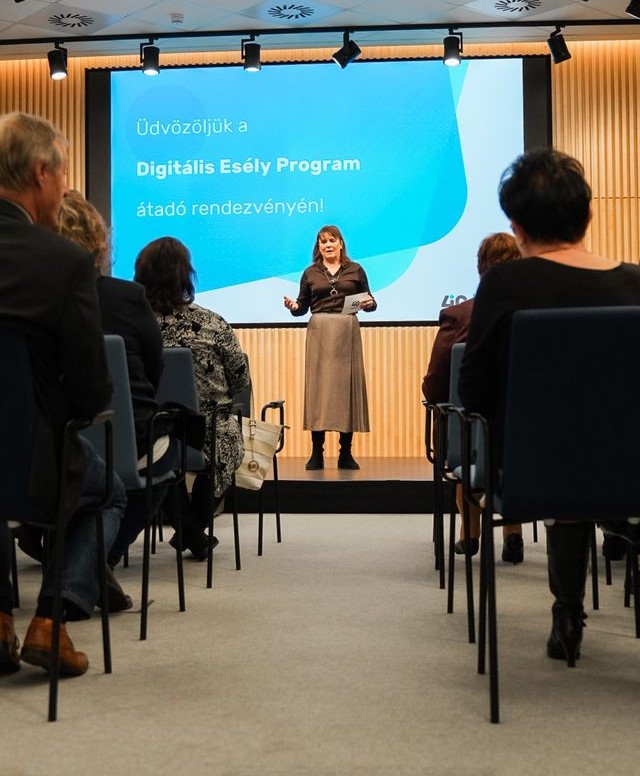
“We established the 4iG Foundation with the aim of meaningfully supporting Hungary's digital development with our initiatives. It is essential for us to actively contribute to creating digital equality and empowering communities through our social responsibility programmes. The Digital Opportunity Programme also reflects this commitment, and I am convinced that the tools, now handed over and supplemented with our educational programme, will provide a tangible advantage for both students and teachers in their digital preparedness.” – said Gellért Jászai, Chairperson of the Board of Trustees of the 4iG Foundation.
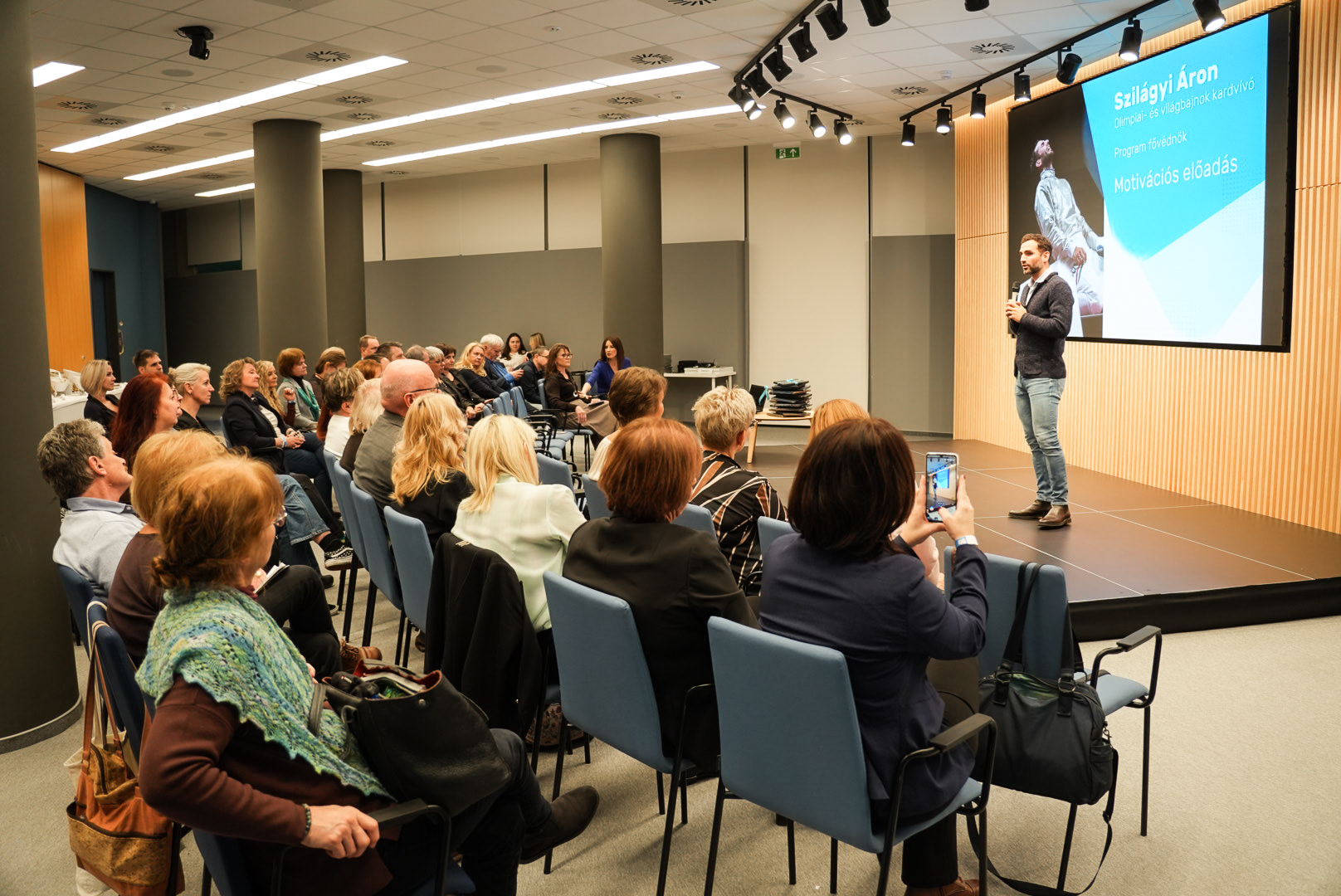
The main patron of the programme, Áron Szilágyi, three-time Olympic fencing champion, highlighted: "As a sportsman, I know how much it means to have the opportunity that you get in time. The Digital Opportunity Programme gives students exactly this. Not everyone starts with the same chances, but a good teacher and a good tool can shape destinies. It feels good to be here at this step, at the start, when these schools are embarking on a new path towards digital learning.”
The 4iG Group has been striving for years to be part of domestic digital education with its social responsibility programmes. The goal is to provide more schools, teachers and students with the tools and opportunities that can contribute to strengthening digital education.
The 15 schools awarded in the 4iG Digital Opportunity Programme:
- Avasi Gimnázium (Miskolc) – Avasi Grammar School, Miskolc
- Bajai III. Béla Gimnázium – Béla III High School, Baja
- Balatonfüredi Fekete István Általános Iskola, Egységes Gyógypedagógiai Módszertani Intézmény – Fekete István Primary School, Unified Methodological Institute for Special Education, Balatonfüred
- BGSZC Pestszentlőrinc Technical School of Economics and Information Technology
- Ciszterci Szent István Gimnázium (Székesfehérvár) – Cistercian St István Grammar School, Székesfehérvár
- Deák Úti Óvoda, Általános Iskola, Szakiskola, Készségfejlesztő Iskola, Fejlesztő Nevelést-Oktatást Végző Iskola, Kollégium, EGYMI (Sátoraljaújhely) – Deák Úti EGYMI Nursery School, Primary School, Vocational School, Skills Development School, Special Education School and Students’ Residence, Sátoraljaújhely
- Esztergomi Szakképzési Centrum Géza Fejedelem Technikum és Szakképző Iskola – Géza Fejedelem Technical and Vocational School, Esztergom Vocational Training Centre
- Gyárvárosi Általános Iskola (Győr) – Gyárvárosi Primary School, Győr
- Győri SzC Gábor László Építő- és Faipari Szakképző Iskola – Gábor László SzC Construction Technical Secondary School, Győr
- Kastélydombi Általános Iskola (Budapest) – Kastélydombi Primary School, Budapest
- Nyitott Világ Fejlesztő Iskola (Budapest) – Open World Special Needs School, Budapest
- Oroszlányi Hunyadi Mátyás Általános Iskola – Hunyadi Mátyás Primary School, Oroszlány
- Pécsi Meszesi Általános Iskola Vasas-Somogy-Hirdi Általános Iskolája – Vasas-Somogy-Hirdi Primary School of Meszesi Primary School, Pécs
- Salgótarjáni Általános Iskola Arany János Tagiskolája – Arany János Branch of the Elementary School of Salgótarján
- Veszprémi Deák Ferenc Általános Iskola – Deák Ferenc Primary School, Veszprém
The 4iG Foundation has donated 220 laptops to 15 schools